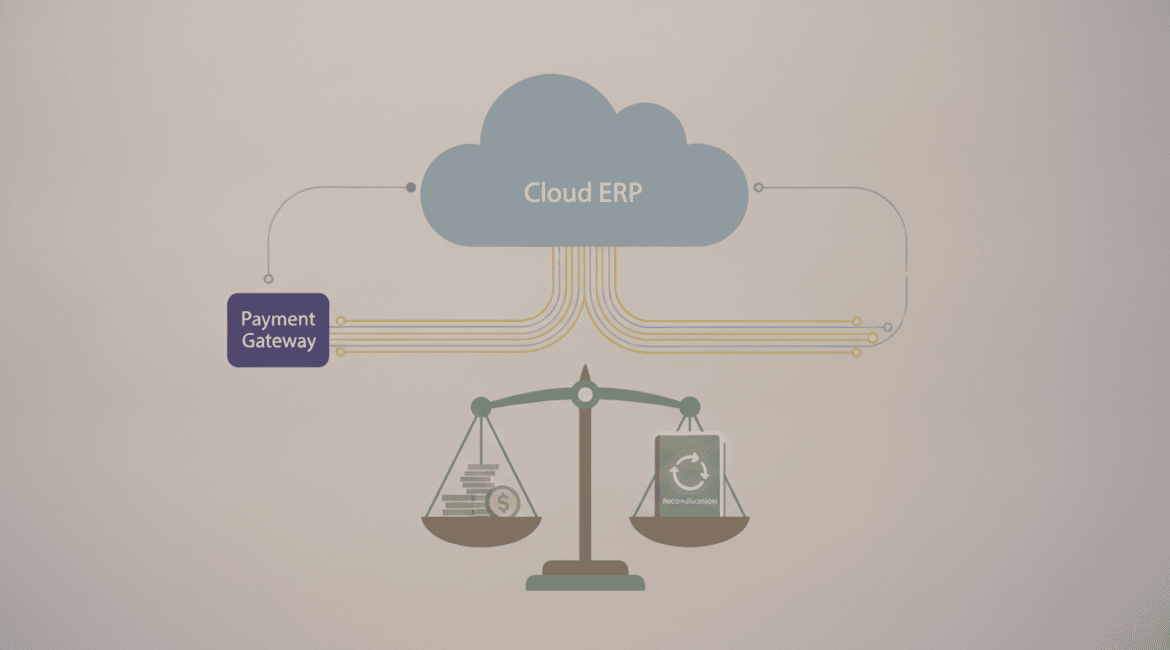
Most gateway connectors post the authorization instead of the settlement, which quietly breaks cash reconciliation. This guide covers the identifiers to map, the build order, and how to choose between webhooks, batch files and iPaaS.
Omnichannel POS Systems: The Role of Enterprise POS Systems in Omnichannel Retailing

Retail has entered an era where customers expect every shopping experience to feel connected. Whether they browse products online, purchase through a mobile app, visit a physical store, or interact with customer support, they expect businesses to remember their preferences, provide consistent information, and offer the same level of service...
Key Features Every Enterprise POS System Should Include

POS systems have evolved far beyond their original role of simply processing transactions. In today's business environment, enterprises require technology that can manage sales, inventory, customer relationships, employee performance, reporting, and operational workflows from a centralized platform. As organizations expand across multiple locations and sales channels, the demands placed on...
How Enterprise POS Systems Support Multi-Location Retail Growth

Growing a retail business from one location to several is one of the most rewarding and most operationally complex transitions in entrepreneurship. The single-location retailer who has built a successful business has developed deep familiarity with every dimension of their operation, monitoring performance through direct observation and personal involvement in...
How Designing Payment Routing and Retry Logic to Reduce Enterprise Declines
Modern enterprises process payments across multiple channels and payment methods. Organizations continue to face severe authorization failures despite improvements in their payment infrastructure. Declines happen due to network problems, issuer limitations, fraud detection processes, or gateway system failures. The best solution to these problems lies in creating a payment routing...
Omnichannel Payment Workflows: Synchronizing Online, Mobile, and In-Store Transactions

Consumers do not limit themselves to one shopping channel only. They identify products from the web, make price comparisons on their smartphones, and finalize their purchases at the physical stores. As such, companies have implemented omnichannel payment solutions to offer their customers flexibility and convenience. Still, handling payments through multiple...
The Role of Tokenization and Encryption Beyond PCI Compliance

Data security in payments is no longer merely an industry regulatory checkbox, it’s a business necessity. As the threat from cyberattacks continues to advance and consumer trust is at stake, businesses need to do more to protect sensitive information. Two key building blocks tokenization and encryption have formed the foundation...
Batch Processing vs. Real-Time Payments: Cost and Efficiency Trade-offs

When making electronic payments, companies need to weigh batch payments against real-time payments—with each of their value and drawbacks. Batch payments are less expensive to process and are best for long-duration transactions, while real-time payments offer speed and quickness at a greater cost. Having knowledge about these tradeoffs enables firms...
Integrating ERP Systems with Modern Payment Technologies
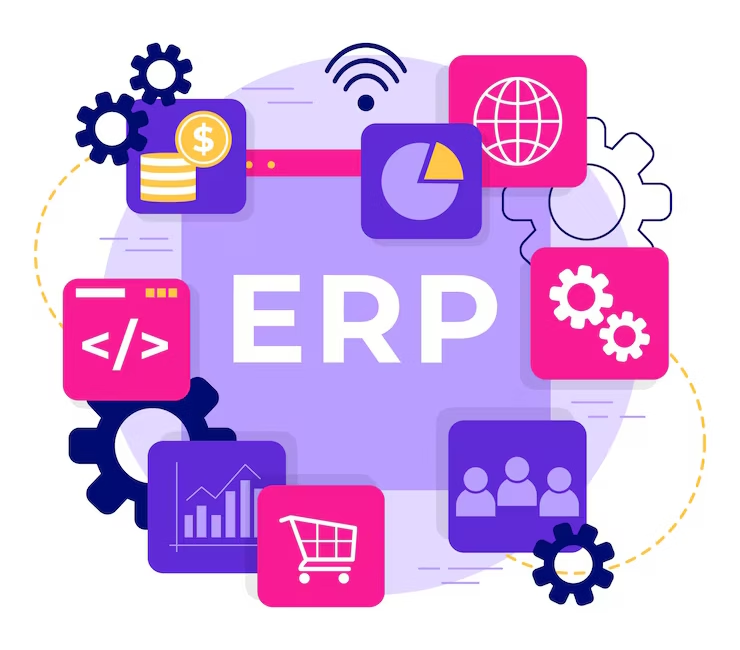
ERP systems help measure and manage many different aspects of a business such as planning, purchasing, stock tracking, selling, marketing, finance, and human resources. The market for ERP systems is expected to reach $103 billion in 2029. These systems gather all business data in one place for various departments to work collaboratively and...
The Importance of 24/7 Expert Support in Enterprise Payment Processing

In today’s digital economy, enterprises rely on seamless and efficient payment processing systems to conduct business. Whether it's an e-commerce platform processing thousands of transactions daily or a brick-and-mortar retail store handling in-person payments, businesses need reliable payment processing to maintain customer trust and ensure revenue flows smoothly. However, technical...