
As businesses continue to expand across multiple locations, online platforms, mobile applications, and international markets, the volume of payment transactions they process has increased dramatically. Every day, large organisations handle thousands or even millions of payments involving sensitive customer card information. While digital payments have improved convenience and speed, they...
Multi-location POS Deployment: What Retailers Should Know Before Deploying POS Systems Across Multiple Locations
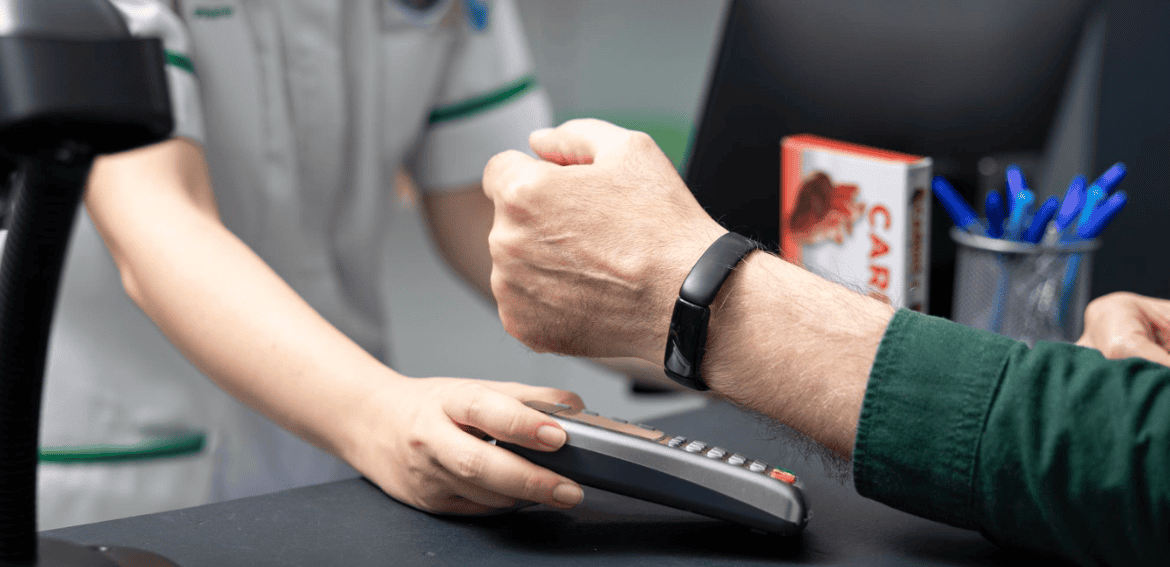
Managing one retail store is very different from managing several. As businesses expand into new cities, states, or even countries, their operational challenges increase significantly. Inventory must remain synchronized, pricing should stay consistent, customer data needs to be accessible everywhere, and reporting should provide a complete picture instead of fragmented...
POS System Upgrade: Common Challenges Businesses Face During Enterprise POS Upgrades

Upgrading a point-of-sale system is a major step for any large retail business. A modern POS platform can improve payment processing, inventory visibility, reporting, customer experience, and staff productivity. However, the process of replacing or improving an existing system is rarely simple. Enterprise retailers often operate across many locations, use...
AI in POS systems: How AI and Automation Are Influencing Enterprise POS Technology
The POS system has been the heart of retail operation for decades, recording transactions, processing payments, and providing the sales information that is used by retail managers to make their decisions. During all that time, the POS system was an advanced system but essentially a passive one that recorded events...
Enterprise POS Security Features Retailers Should Not Ignore
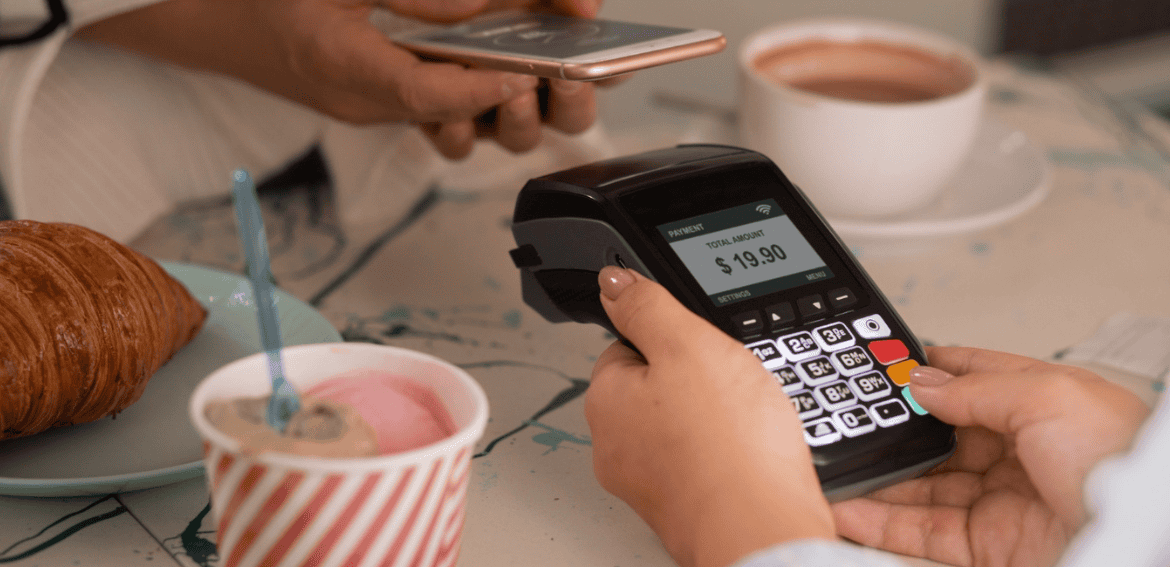
POS systems have evolved far beyond simple cash registers. Modern retail businesses rely on these systems to process payments, manage inventory, track sales, monitor employee activity, administer customer loyalty programmes, generate reports, and integrate with accounting and e-commerce platforms. As retailers continue embracing digital transformation, the POS system has become...
How Custom POS Solutions Help Retailers Handle Industry-Specific Needs
Modern retail has become far more complex than simply selling products and accepting payments. Today's retailers manage inventory across multiple locations, process online and in-store orders, run loyalty programs, monitor customer preferences, coordinate suppliers, and generate detailed business reports while delivering fast and convenient shopping experiences. Although many businesses use...
Multi-Store Retail Management: Why Centralized POS Systems Matter
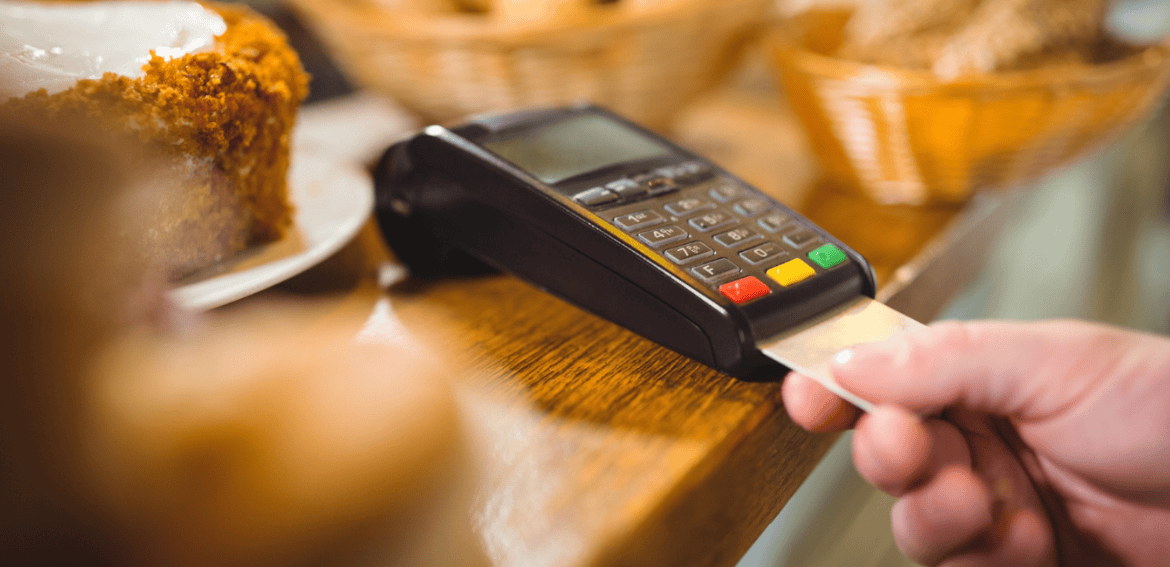
Expanding from one retail store to a number of them is a significant step for any business. It shows increasing customer demand for a certain product, better branding awareness and more confidence in the company's products/services. However, managing several retail locations requires additional effort as well. In addition to maintaining...
POS Inventory Integration: How Enterprise POS Integrations Simplify Inventory and Supply Chain Management
Modern retail businesses operate in an increasingly complex environment. Customer expectations are higher than ever, competition is intense, and supply chain disruptions can have immediate effects on profitability and customer satisfaction. Retailers are expected to keep products available, process transactions efficiently, manage inventory accurately, and respond quickly to changing demand...
Understanding Different Types of Enterprise POS Configurations
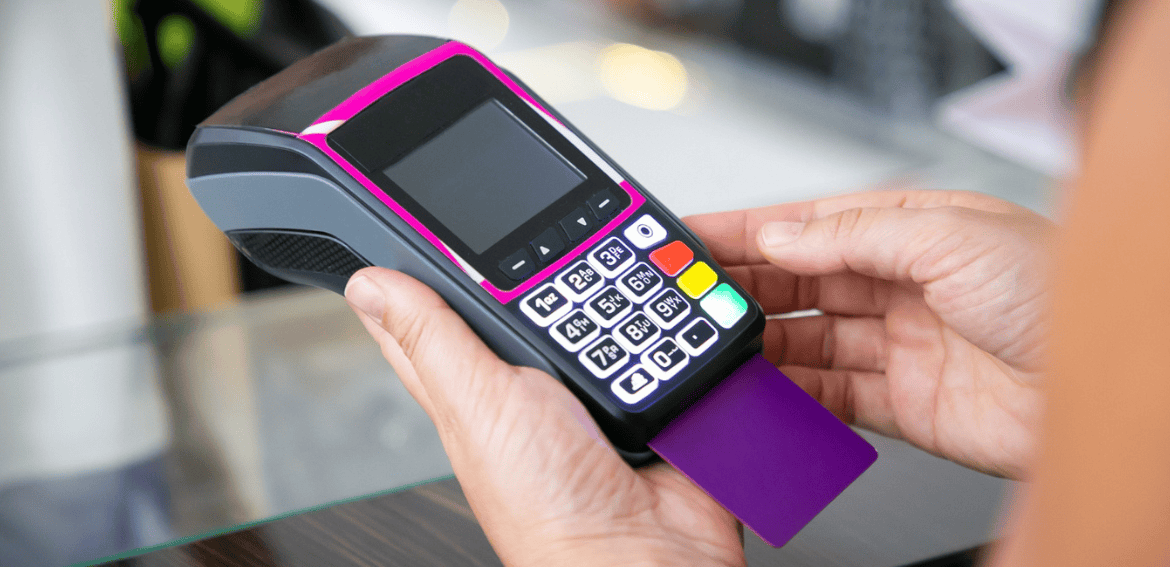
POS technology has evolved far beyond its original role as a simple transaction processing tool. In modern retail environments, POS systems serve as the operational backbone of the business, connecting sales, inventory, customer management, analytics, employee operations, payment processing, and reporting. For large retailers operating multiple locations, choosing the right...
Scalable POS Systems: Why Scalability Matters When Investing in an Enterprise POS System

Technology has become the backbone of modern retail operations. From processing transactions and managing inventory to tracking customer behaviour and generating business insights, POS systems now play a central role in how retailers operate and grow. What was once considered a simple checkout tool has evolved into a comprehensive business...