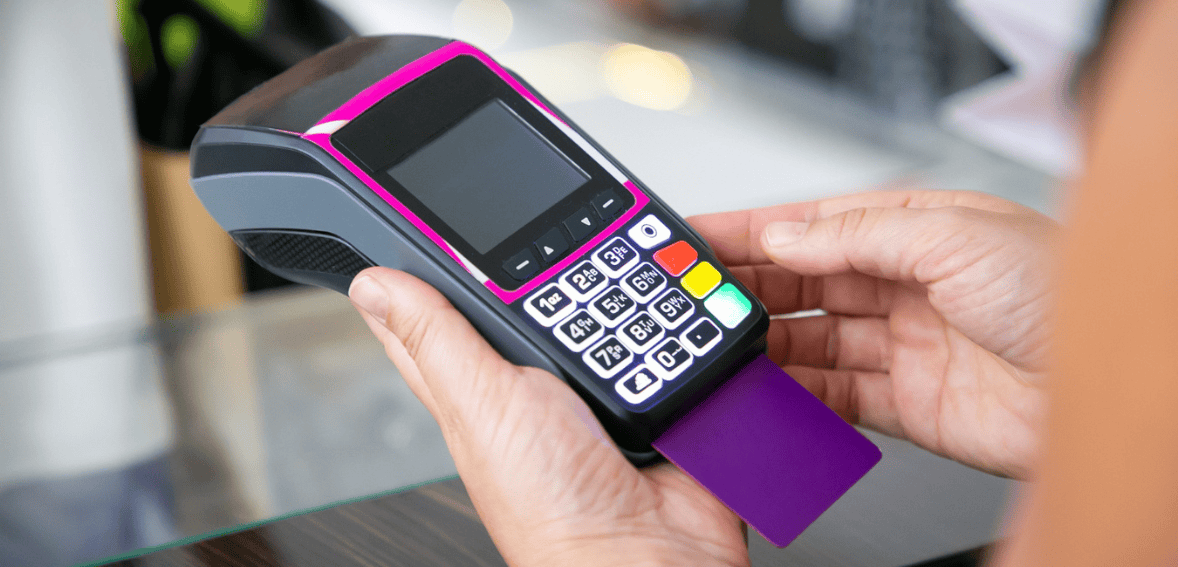
POS technology has evolved far beyond its original role as a simple transaction processing tool. In modern retail environments, POS systems serve as the operational backbone of the business, connecting sales, inventory, customer management, analytics, employee operations, payment processing, and reporting. For large retailers operating multiple locations, choosing the right POS architecture is just as important as selecting the software itself.
As businesses grow, the complexity of managing stores, products, employees, and customer data increases significantly. A single-location setup that works well for a small retailer may not be capable of supporting hundreds of stores spread across different regions. This is where enterprise-level POS design becomes important. The way a POS environment is configured directly affects performance, reliability, scalability, reporting accuracy, and operational efficiency.
Understanding different enterprise POS configurations helps businesses make informed decisions about their technology investments. Each configuration offers its own advantages, limitations, and operational considerations. The best approach depends on factors such as business size, geographic distribution, network infrastructure, compliance requirements, and long-term growth plans.
Why POS Configuration Matters in Enterprise Retail
Many retailers focus heavily on software features when evaluating POS solutions. While functionality is important, the underlying configuration often determines how effectively the system performs in real-world operations.
Large retailers process thousands or even millions of transactions across multiple locations every day. These transactions generate enormous amounts of data that must be collected, stored, synchronised, and analysed. Without a properly designed infrastructure, businesses may encounter performance issues, reporting delays, system outages, or data inconsistencies.
The right retail POS setup ensures that information flows efficiently throughout the organisation. It supports operational consistency, enables accurate reporting, and provides management teams with visibility into business performance. It also creates a foundation that can support future expansion without requiring a complete system redesign. As retail operations become increasingly digital, enterprise POS configurations have become a critical component of long-term business strategy rather than simply an IT decision.
Understanding the Core Components of Enterprise POS Systems
Before examining different configurations, it is helpful to understand the major components involved in enterprise POS environments. Most enterprise systems consist of store-level hardware, POS software, databases, communication networks, payment processing systems, inventory platforms, reporting tools, and management applications.
These components work together to support daily retail operations. Store-level terminals handle transactions and customer interactions. Back-office systems manage inventory, pricing, promotions, and employee activities. Corporate systems consolidate information from multiple locations to support decision-making and business analysis.
The way these components connect and communicate defines the overall architecture of the POS environment. Different organisations structure these relationships differently depending on operational priorities, network capabilities, and business objectives. Effective retail infrastructure planning begins with understanding how these elements interact and how data moves throughout the organisation.
Centralized POS Architecture
A popular implementation method for POS systems within businesses is the centralized one. In such an implementation method, key business information and system management activities are housed centrally, either within a company data center or a cloud-based system.
In a centralized architecture, individual stores will be connected to the system via networks. Information about products, price changes, promotions, customer details, and even reporting would be centrally controlled and distributed to other parts of the organization. Actions done in the individual stores will be sent to the central hub for processing and evaluation.
The implementation of POS management in a centralized fashion brings many benefits to a large retailer. For example, the business will have greater control over the pricing strategy, inventory policy, promotion, and process of doing things. The company will easily update its system across different locations. Moreover, all reports will be easier to do because everything will be done in one central system. However, centralization of POS management depends heavily on the reliability of network connection and the availability of the system.
Benefits of Centralized POS Management
Centralized POS systems offer great benefits to companies that operate several facilities at once. There will be better visibility of stores’ performance and the ability to make adjustments rapidly within the whole chain of retail stores.
The chances for any kind of discrepancy are much lower when it comes to centralized systems. The sales activity of the stores will be better monitored by the managers. It is important to mention security here since it is another significant benefit of using centralized POS solutions. It is easier to manage and control data when all information is available in one single place. There will be no need to use separate security methods for each store, since the system will be standardized. Reporting accuracy will be improved greatly due to better availability of the information.
Distributed POS Systems
Despite all the advantages of centralized systems, there are organizations that find distributed POS systems more suitable for their needs. With distributed POS systems, major transactional processing and data management tasks are performed locally rather than centrally.
There are local systems in each store capable of handling all transactions individually. Synchronization of data with corporate systems usually takes place either in intervals or continuously. Using such systems means that stores can still function even if there are issues with network connections.
Distributed POS systems can be employed by businesses facing potential problems with their networks. There might also be situations when geographical distance from central offices makes communication more difficult. In these cases, businesses can benefit from using distributed systems. Despite their advantages, distributed POS systems present more challenges as well. These include managing data synchronization and preventing any inconsistencies.
Advantages of Distributed POS Systems
One of the primary strengths of distributed POS systems is operational independence. Individual locations can continue processing transactions even during network outages or communication disruptions.
This capability can be particularly valuable for retailers operating in remote regions or areas where internet connectivity may not always be reliable. Local processing ensures that customer transactions can continue without interruption, reducing the risk of lost sales.
Distributed environments may also offer performance advantages because transaction processing occurs locally rather than relying entirely on remote systems. Store-level responsiveness can remain strong even during periods of heavy transaction volume.
For some organisations, distributed architectures provide greater flexibility in adapting to local business requirements. However, these benefits must be balanced against the increased complexity associated with maintaining multiple operational environments.
Hybrid POS Configurations
Most current POS systems are based on hybrid architectures that integrate aspects from centralized and distributed approaches. The idea behind hybrid solutions is to leverage the strengths of each architecture, minimizing their weaknesses.
With hybrid POS systems in retail organizations, some components are controlled from a central location while others are left for the store itself. Thus, for instance, pricing, stock management, customer databases, and reports can be controlled centrally, whereas transactions are processed by each individual store.
One advantage offered by such systems is their operational robustness since stores can keep operating even when communication is interrupted. On top of that, the centralized nature of the approach helps achieve consistency and visibility. Hybrid architectures have gained much popularity due to the fit between their characteristics and current retail needs.
Cloud-Based Enterprise POS Configurations
Cloud technology has significantly influenced how enterprise retailers design POS environments. Cloud-based enterprise POS configurations move much of the infrastructure away from traditional on-premises systems and into managed cloud platforms.
Under this model, data storage, reporting, system management, and application hosting often occur within cloud environments. Store locations access these services through internet connections and secure communication channels.
Cloud architectures offer several benefits, including simplified maintenance, faster deployment, automatic updates, and improved scalability. Retailers can often expand operations without making major infrastructure investments.
Cloud environments also support centralized POS management by providing unified access to data across multiple locations. As a result, many retailers view cloud technology as an effective way to modernise operations while reducing infrastructure complexity.
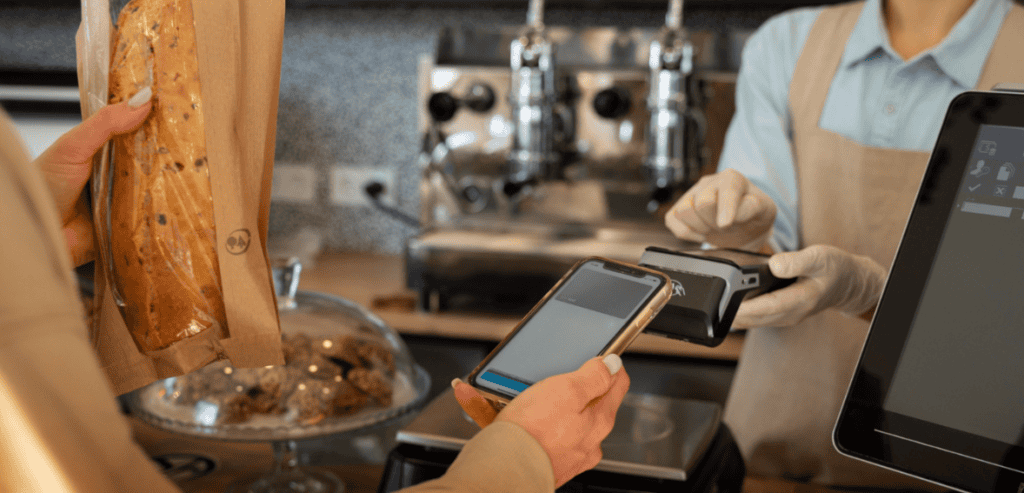
Multi-Store Enterprise Configurations
Retailers operating multiple locations face unique challenges related to coordination, consistency, and reporting. Multi-store configurations are designed specifically to address these requirements.
These environments enable businesses to manage pricing, promotions, inventory, customer programmes, and operational policies across numerous locations from a central platform. Data from individual stores is consolidated to provide enterprise-wide visibility.
Successful retail infrastructure planning for multi-store operations requires careful consideration of network architecture, data synchronisation, user permissions, and reporting structures. Retailers must ensure that each location can operate efficiently while maintaining alignment with broader organisational objectives. Multi-store configurations are particularly important for franchise networks, regional chains, and national retailers seeking consistent customer experiences across all locations.
High Availability POS Configurations
System downtime can have significant consequences for retailers. Lost transactions, customer frustration, operational disruption, and revenue loss can all result from outages. To minimise these risks, some organisations implement high availability enterprise POS configurations. These environments incorporate redundancy and failover mechanisms designed to maintain operations even when individual components experience problems.
High availability architectures may include backup servers, duplicate network connections, redundant databases, and automatic failover capabilities. If one component fails, another can take over with minimal interruption.
Although these environments require additional investment, they provide greater reliability for businesses where continuous operation is essential. Large retailers often view high availability as a critical component of risk management and business continuity planning.
Factors That Influence Configuration Selection
Choosing the right POS architecture requires careful evaluation of business requirements. There is no universal solution that works for every retailer because operational needs vary significantly across organisations.
Business size is one important consideration. Small regional chains may have different requirements than multinational retailers operating hundreds of locations. Geographic distribution also influences configuration decisions because network infrastructure and connectivity vary across regions.
Transaction volume, inventory complexity, compliance requirements, reporting needs, and growth plans all play important roles in determining the most appropriate architecture. Retailers must also consider internal technical capabilities and long-term maintenance requirements.
Effective retail infrastructure planning involves balancing operational priorities with financial realities. The goal is to create an environment that supports both current operations and future growth.
Security Considerations Across Different Configurations
Regardless of architecture, security remains a critical concern for enterprise retailers. POS environments process sensitive customer and payment information, making them attractive targets for cybercriminals.
Different enterprise POS configurations introduce different security considerations. Centralized environments may simplify monitoring and access control but create concentrated data repositories that require strong protection. Distributed architectures reduce reliance on central systems but increase the number of locations that must be secured.
Retailers should implement strong authentication controls, encryption, network segmentation, monitoring systems, and access management policies. Security planning should be integrated into architecture decisions rather than treated as a separate consideration. As regulatory requirements continue evolving, security has become an increasingly important factor in POS infrastructure design.
Planning for Future Growth
One of the most common mistakes retailers make is selecting a POS architecture based solely on current needs. While this approach may reduce short-term costs, it often creates limitations as the business expands.
Scalable enterprise POS configurations allow organisations to add locations, users, products, and services without major disruptions. Growth-oriented planning helps retailers avoid costly infrastructure replacements in the future.
Businesses should evaluate potential expansion scenarios when designing POS environments. This includes considering new store openings, e-commerce integration, international operations, and emerging technologies that may influence future requirements. Forward-looking retail infrastructure planning helps ensure that technology investments continue supporting business objectives for many years.
Conclusion
POS technology has become one of the most important components of modern retail operations, particularly for large organisations managing multiple locations. The way a POS environment is configured directly affects reliability, scalability, security, reporting, and overall operational efficiency.
Understanding different enterprise POS configurations allows retailers to make informed decisions that align with their business goals. Centralized POS management provides consistency and visibility across locations, while distributed POS systems offer resilience and operational independence. Hybrid architectures combine elements of both approaches, creating flexible environments that support modern retail requirements.
Cloud-based deployments, multi-store structures, and high availability designs further expand the options available to retailers. Each approach offers unique advantages depending on organisational priorities and operational needs.
Ultimately, successful retail POS setup decisions depend on thoughtful retail infrastructure planning. By carefully evaluating current requirements, future growth plans, security considerations, and operational objectives, retailers can build POS environments that support efficiency, customer satisfaction, and long-term business success.
Leave a Reply