Retail businesses today operate in an environment where customer expectations are higher than ever. Shoppers want fast service, accurate transactions, multiple payment options, and a seamless checkout experience. Long queues, slow payment processing, and outdated equipment can quickly frustrate customers and negatively impact sales. As competition grows across physical stores, supermarkets, specialty retailers, convenience stores, and large retail chains, businesses are looking for ways to improve efficiency without compromising customer satisfaction.
One of the most effective ways to achieve this goal is through the use of custom POS hardware. While software often receives much of the attention in retail technology discussions, the hardware supporting the checkout process plays an equally important role. Tailored devices designed around a retailer’s specific needs can significantly improve transaction speed, employee productivity, inventory management, and overall operational performance.
Modern retailers are increasingly investing in customized hardware solutions that align with their workflows rather than relying on generic systems. From integrated barcode scanners and customer-facing displays to payment terminals and self-checkout stations, customized equipment is helping businesses streamline operations and create better customer experiences. Understanding how these technologies contribute to efficiency can help retailers make smarter investments that deliver long-term value.
The Growing Importance of Speed in Retail Operations
Speed has become one of the most important factors influencing customer satisfaction. Consumers increasingly expect transactions to be completed quickly, regardless of whether they are shopping in a grocery store, apparel outlet, electronics retailer, or pharmacy. Delays at checkout often create negative impressions that affect customer loyalty and repeat business.
Retailers face constant pressure to process higher transaction volumes while maintaining accuracy. During peak shopping hours, even minor inefficiencies can result in long queues and increased wait times. Slow checkout experiences may lead customers to abandon purchases or choose competitors that offer more convenient service.
This is where custom POS hardware creates measurable advantages. Instead of using one-size-fits-all equipment, retailers can deploy devices specifically designed to support their products, customer volume, payment methods, and store layouts. This targeted approach allows transactions to move more efficiently while reducing bottlenecks throughout the shopping journey.
As retail environments become increasingly technology-driven, businesses are recognizing that checkout speed is not simply a customer service issue. It is also a critical operational metric that directly affects revenue, labor utilization, and overall store performance.
Understanding What Custom POS Hardware Means
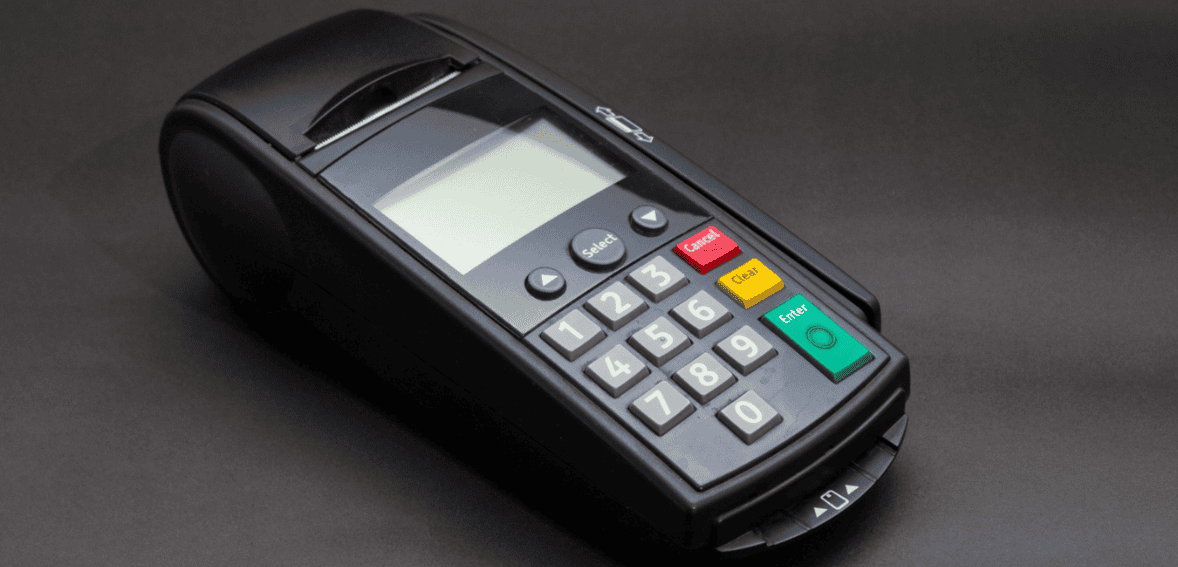
Although most consumers would consider the software side of a POS system to be more relevant, there is also a hardware aspect to these systems that plays just as crucial a role. Custom POS hardware can be described as any piece of hardware for a retail checkout operation that was designed, configured, or altered to meet the needs of the specific retailer and/or retail setting.
Examples of pieces of hardware for custom POS solutions can range from touch-screen terminals, bar-code scanners, receipt printers, cash registers, customer display screens, weighing stations, mobile terminals, and self-service kiosk units. In choosing these hardware options, one will no longer be restricted to a standard hardware solution but instead pick and choose which features best suit their retail operation.
This allows each retailer to have hardware that is capable of meeting all of their day-to-day needs, allowing for more efficient and successful checkout processes overall. The importance of custom POS hardware stems from the fact that these systems allow one to remove irrelevant features while adding functionality to essential features.
Reducing Checkout Times Through Hardware Optimization
One of the most visible benefits of hardware customization is faster checkout performance. Every second saved during a transaction contributes to shorter lines, improved customer satisfaction, and higher throughput during busy periods.
Optimized barcode scanners can read labels more quickly and accurately, reducing the need for repeated scans. Integrated payment terminals eliminate extra steps by allowing customers to complete transactions without switching between multiple devices. High-performance processors ensure that systems respond instantly when products are scanned or payments are processed.
Retailers that invest in tailored retail checkout solutions often discover that small improvements in transaction speed accumulate significantly over time. A reduction of just a few seconds per transaction can translate into hours of labor savings each week and a noticeable decrease in customer wait times.
When checkout stations are designed around actual operational requirements, employees spend less time navigating technology and more time serving customers. This creates a smoother shopping experience while helping stores process larger transaction volumes efficiently.
Improving Employee Productivity and Accuracy
Employees working in retail stores operate POS systems throughout their shifts. In cases where the hardware is hard to use or malfunctioning, productivity is significantly reduced. Employees may end up wasting extra time attempting to fix any problems within the POS system.
Hardware customization enables companies to build POS workstations that help employees carry out their tasks easily. The ergonomic positioning of the terminal, as well as the optimization of the touch-screen interface and other peripheral devices, helps to eliminate all unnecessary movements by the employees.
Employees find it easy to complete their tasks quickly when the hardware used suits their tasks. High-speed scanning and quick response from the terminals reduce the chances of making mistakes during transactions. Transactions become faster and easier, thus increasing the accuracy of the process.
Improved productivity also increases employee satisfaction. Employee satisfaction increases when they have POS hardware that makes their jobs much easier. Companies are therefore able to increase productivity while improving the work atmosphere.
Enhancing Customer Experience at the POS
Customer experience is influenced by every interaction that occurs during the shopping journey, and checkout is often the final impression a retailer leaves. Fast, convenient transactions contribute significantly to overall satisfaction and encourage repeat visits.
Customized checkout systems can be designed around customer preferences and purchasing behavior. Features such as contactless payment support, customer-facing displays, digital receipts, and integrated loyalty programs create a more seamless experience.
Retailers increasingly rely on advanced retail checkout solutions to meet evolving consumer expectations. Customers expect flexibility in how they pay, access rewards, and complete transactions. Hardware designed specifically for these requirements helps businesses deliver consistent service across multiple store locations.
When checkout experiences feel effortless, customers are more likely to perceive the retailer as modern, efficient, and customer-focused. These positive perceptions often translate into stronger customer retention and increased sales opportunities.
Supporting Multiple Payment Methods Efficiently
Payment choices for consumers keep changing quite fast. Nowadays, cash, debit card, credit card, mobile wallets, QR code payments, and even contactless payments have become widely used. The challenge is for retailers to offer various payment methods and still maintain speed and safety.
Enterprise payment systems developed in modern times can handle a wide range of payments by means of hardware integration. This helps ensure that payment devices are compatible with retailers’ needs and consumer expectations.
It should no longer be necessary for retailers to use different systems for processing various payment types. Integrated hardware helps process payments via one platform.
Businesses that develop their payment systems using flexible hardware infrastructure will find it much easier to integrate new technologies when needed in the future.
Strengthening Inventory Management Processes
Inventory accuracy plays a critical role in retail success. Inaccurate inventory records can lead to stock shortages, overstocking, lost sales, and operational inefficiencies. POS hardware contributes significantly to inventory management by capturing real-time transaction data.
Customized scanners and integrated inventory tools ensure that product information is updated immediately when sales occur. This helps maintain accurate stock levels and improves visibility across the supply chain.
Retailers using custom POS hardware often experience fewer inventory discrepancies because transactions are processed more accurately. Automated data capture reduces manual entry errors while providing management with reliable information for purchasing and replenishment decisions.
Real-time inventory visibility allows businesses to respond quickly to changing demand patterns. This improves operational efficiency while supporting better customer service through improved product availability.
The Role of Mobility in Modern Retail
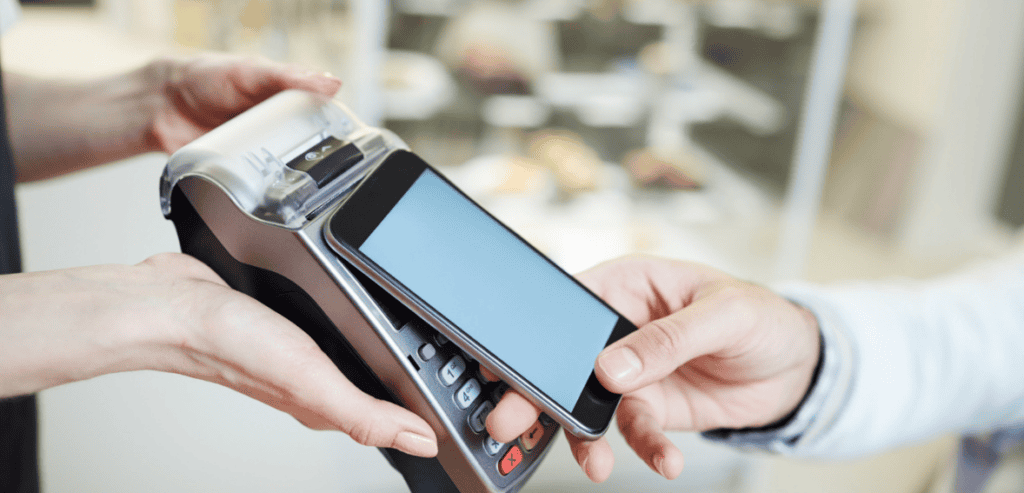
Retail environments are becoming increasingly mobile. Many businesses now use handheld devices, mobile checkout stations, and tablet-based systems to serve customers more effectively. Mobility allows employees to assist shoppers anywhere in the store rather than directing them to traditional checkout counters.
POS hardware customization enables retailers to deploy mobile solutions tailored to specific operational needs. Lightweight devices, integrated payment readers, and wireless connectivity help employees complete transactions quickly and efficiently.
Mobile checkout capabilities are particularly valuable during peak shopping periods when traditional checkout lines become congested. Staff can process purchases directly on the sales floor, reducing wait times and improving customer convenience.
The integration of mobility into retail operations technology represents a significant shift toward more flexible and customer-centric retail environments. Businesses that embrace mobile hardware solutions often gain a competitive advantage through enhanced service delivery.
Increasing Reliability and Reducing Downtime
Downtime may prove very expensive for retailers because the breakdown in equipment will cause disruptions and delays that lead to losses in revenues. The equipment needed must therefore be reliable enough to ensure smooth operation at all times.
Hardware systems designed for any retailer may not meet the needs of every environment. Some businesses will have unique settings that will need special types of equipment in order to cope.
Customization in POS hardware enables a retailer to use the most durable and reliable equipment that will minimize system failures and maintenance problems.
Reliable equipment systems enhance operational efficiency by ensuring that employees do not spend their time solving technical problems. It is easier for the managers of such businesses since they have predictable systems to manage.
Enabling Scalability for Growing Retail Businesses
As businesses expand, their technology infrastructure must evolve accordingly. Retailers opening new locations or increasing transaction volumes require systems capable of supporting growth without creating operational challenges.
Custom hardware solutions provide greater flexibility for scaling operations. Retailers can standardize equipment across locations while still accommodating specific store requirements. This creates consistency in training, maintenance, and customer experience.
Enterprise payment systems designed with scalability in mind help organizations manage growth more effectively. New stores can be integrated into existing technology ecosystems without requiring major infrastructure changes.
Scalable solutions also support future innovation. Businesses can add new functionality, payment options, and operational capabilities as customer expectations continue to evolve.
Integrating Retail Operations Technology Across the Business
Modern retail success depends on the ability to connect various business functions through integrated technology platforms. Sales, inventory management, customer engagement, reporting, and payment processing all benefit from seamless data sharing.
Retail operations technology serves as the foundation for these integrated systems. Customized hardware ensures that information flows efficiently between different business applications and operational processes.
Integrated environments eliminate data silos and provide management with better visibility into store performance. Real-time reporting allows decision-makers to identify trends, monitor sales activity, and optimize resource allocation.
By aligning hardware capabilities with broader business objectives, retailers create more efficient operations that support long-term growth and profitability.
Supporting Self-Checkout and Automation Initiatives
Automation is becoming increasingly common in retail environments. Self-checkout systems, automated payment stations, and smart retail technologies help businesses improve efficiency while addressing labor challenges.
The success of these initiatives often depends on selecting the right hardware. Custom POS hardware enables retailers to create self-service experiences that match their customer demographics and operational requirements.
Well-designed self-checkout systems reduce queue lengths and allow employees to focus on higher-value customer interactions. Customers benefit from greater convenience, particularly when purchasing smaller numbers of items.
As automation continues to reshape retail operations technology, customized hardware will remain essential for ensuring smooth implementation and optimal performance.
Measuring the Return on Investment
Investing in customized POS equipment requires careful evaluation of potential benefits. While upfront costs may be higher than generic alternatives, the long-term returns often justify the investment.
Faster transactions increase customer throughput and reduce wait times. Improved productivity lowers labor costs and enhances employee performance. Better inventory accuracy reduces losses and improves stock management. Enhanced customer experiences support loyalty and repeat business.
When evaluating retail checkout solutions, businesses should consider both direct and indirect benefits. Efficiency improvements often create value across multiple operational areas, making customized hardware a strategic investment rather than simply a technology purchase.
Retailers that approach hardware decisions with a long-term perspective frequently achieve stronger operational performance and greater competitive advantage.
Conclusion
In today’s fast-moving retail environment, checkout speed and operational efficiency have become essential drivers of business success. Customers expect quick, convenient transactions, while retailers need technology that supports productivity, accuracy, and growth. Standardized equipment can meet basic requirements, but it often falls short when businesses face unique operational challenges.
Custom POS hardware provides retailers with the flexibility to design systems around their specific needs. Through improved transaction processing, better employee productivity, enhanced customer experiences, and stronger integration with enterprise payment systems, customized solutions deliver measurable benefits across the organization. Whether supporting mobile commerce, self-checkout initiatives, inventory management, or advanced retail operations technology, tailored hardware helps retailers operate more efficiently and serve customers more effectively.
As consumer expectations continue to evolve and competition intensifies, businesses that invest in POS hardware customization and modern retail checkout solutions will be better positioned to deliver superior service, improve profitability, and achieve sustainable long-term growth.
Leave a Reply